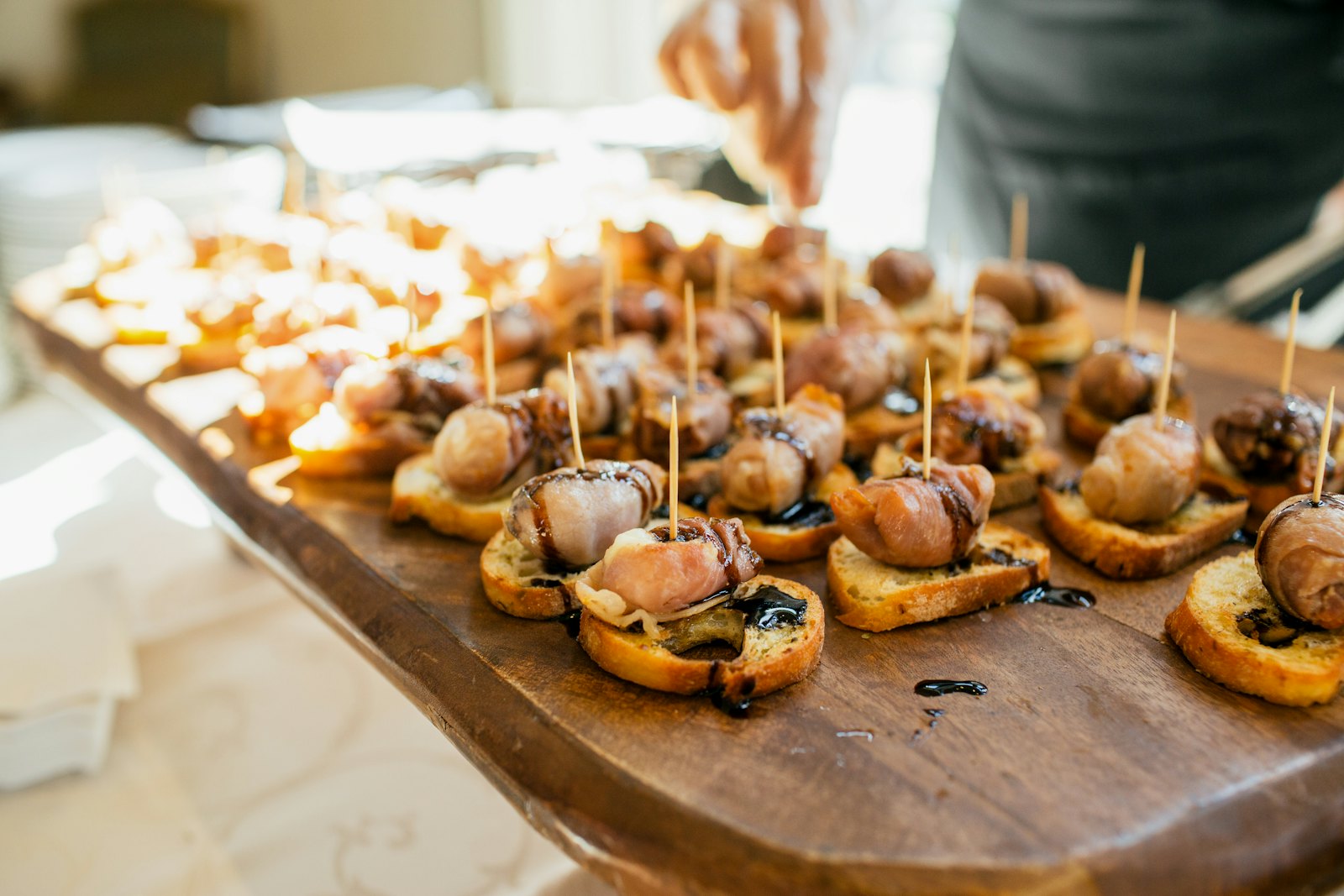
Three hundred guests, two and a half hours, standing. The question everyone asks is what to serve. The questions that decide whether it works are how much, how fast, and from where.
How much food
For a standing reception that replaces a meal, the working figures are:
| Duration | Canapés per guest | Notes |
|---|---|---|
| 1 hour, pre-dinner | 4–5 | Guests are eating later |
| 2 hours, replaces light meal | 8–10 | The common launch format |
| 3 hours, replaces dinner | 12–14 | Add a substantial item |
For 300 guests over two hours: 2,400–3,000 individual pieces. That number tends to surprise people, and it is the one the kitchen needs eight weeks out.
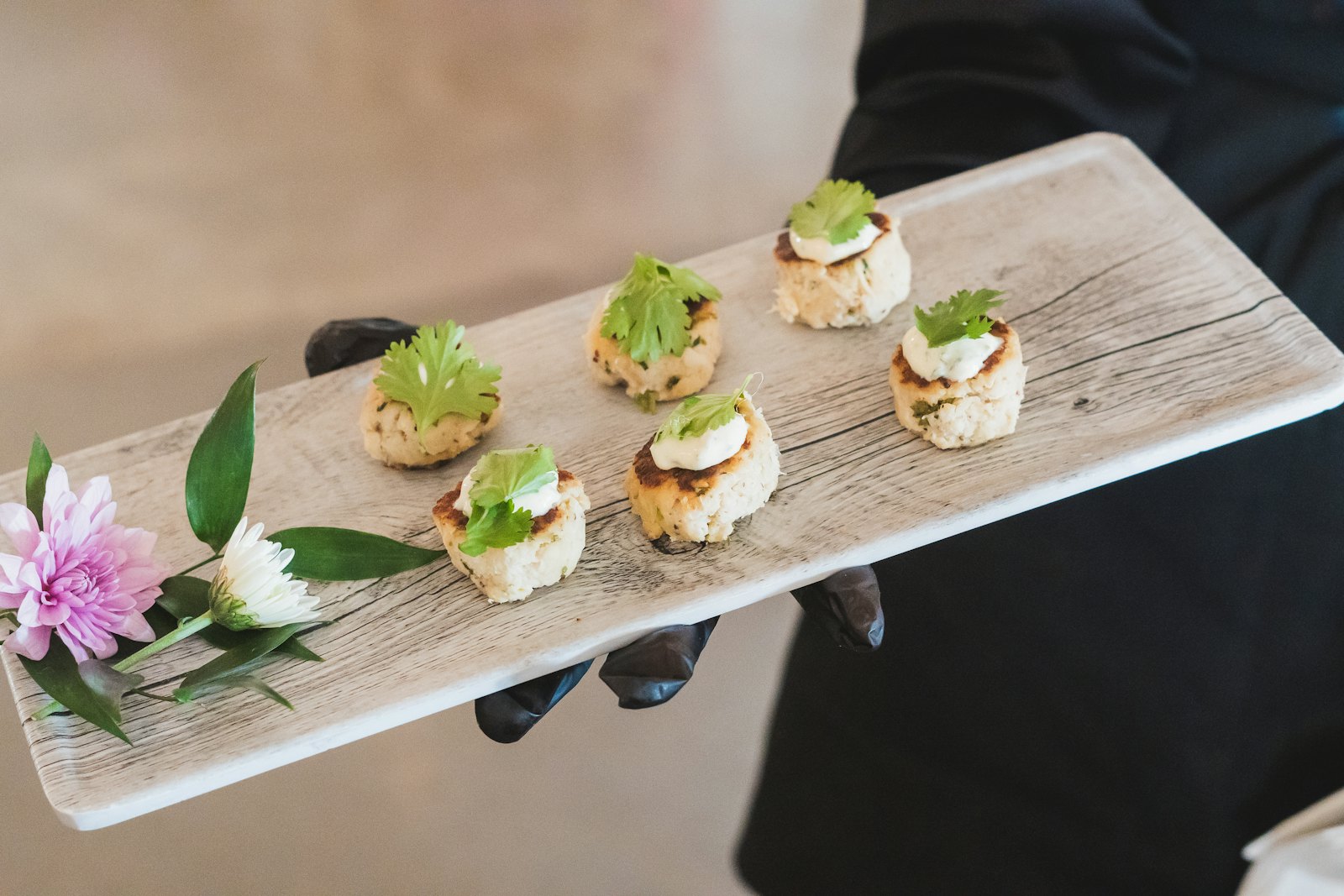
Split them roughly: 40% cold, 40% hot, 20% substantial or sweet. Keep at least a third fully vegetarian and make sure the vegetarian items are not visibly the lesser option.
How many serving points
The rule that matters: one serving point per 50–60 standing guests, and no guest should be more than about fifteen metres from one.
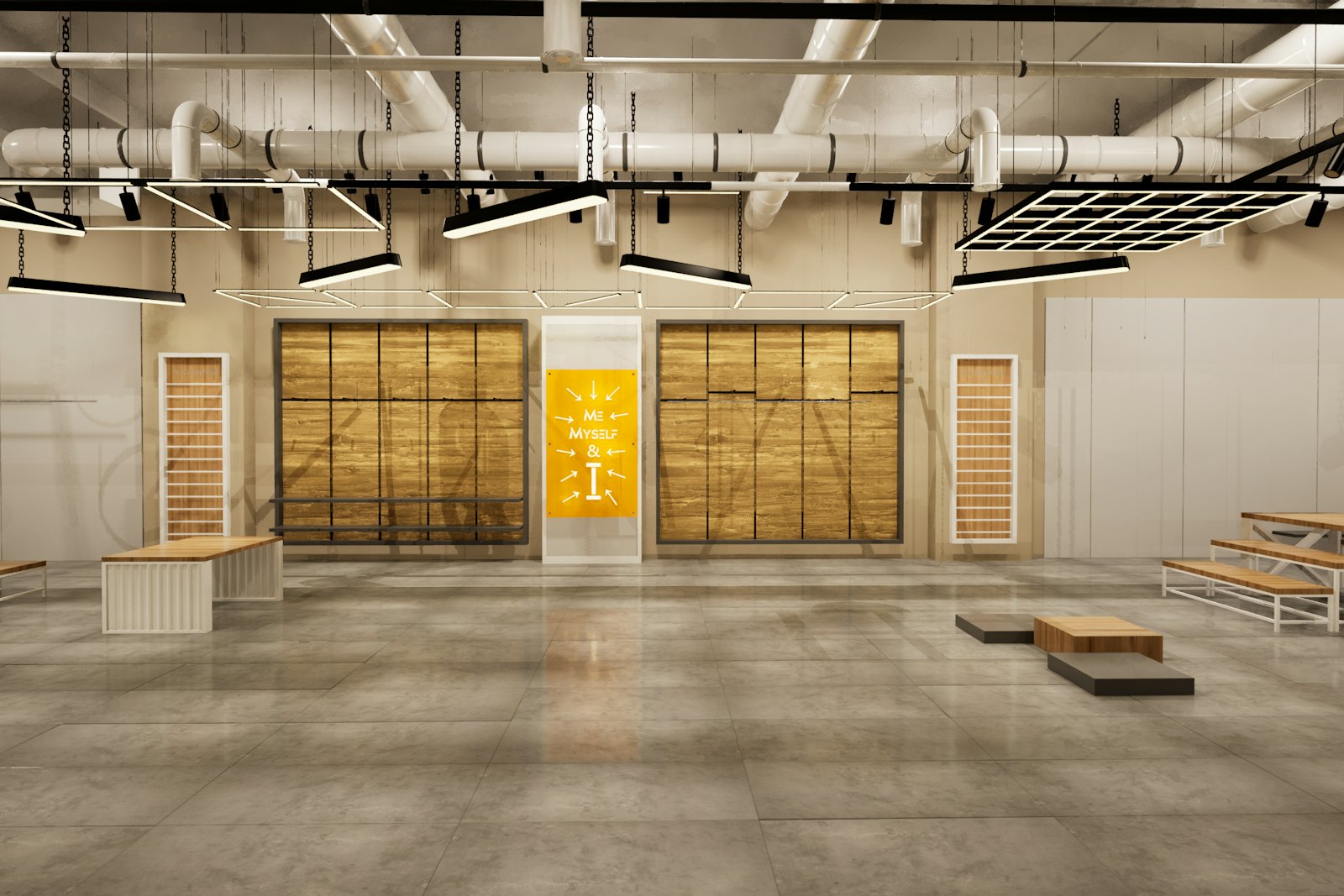
For 300 that is five to six points, which for most rooms means a mix of two fixed stations and three or four circulating teams. One long buffet for 300 people produces a queue that defines the entire event.
How many staff
- Circulating service: one server per 25–30 guests → 10–12 servers.
- Bar: one bartender per 60–75 guests for wine, beer and soft → 4–5. Add one if there are cocktails.
- Kitchen/back of house: 4–6 for a hot canapé menu.
- One floor supervisor, whose entire job is watching the room and redirecting trays.
That last role is frequently cut and should never be. The difference between a reception where food reaches the far corner and one where it does not is a person whose job is to notice.
Drinks
Standard planning figure: 2.5 drinks per guest for the first hour, 1.5 for each hour after. For 300 guests over two and a half hours, roughly 1,400 servings. Split by consumption, typically 45% sparkling/white, 20% red, 25% soft and water, 10% beer — adjusted hard for your audience.
Water should be freely available and visible, not requested. It reduces alcohol consumption, improves the room, and costs almost nothing.
Allergens, properly
Every item must have a written allergen declaration available at the point of service. Practically:
- A printed allergen matrix at each station and with each circulating team.
- Servers briefed to say what is in an item, not to guess.
- Dedicated, clearly separated items for the main allergens rather than "we can remove the nuts".
- Collect dietary requirements at RSVP and plan 5–8% of covers as specifically allergen-free, held back and served on request.
The two timing decisions
When food starts. Not at the advertised start time. Guests arrive over 30–40 minutes; food that begins at the invitation time is consumed entirely by early arrivals. Start service 20 minutes after doors, and hold roughly 20% of the total for the last 45 minutes — the point where most receptions visibly run dry.
When the speeches happen. Service must stop during speeches and the kitchen must know exactly when. A hot canapé that comes out during a CEO's remarks is wasted twice. Build the pause into the run of show with a named cue, and give the catering supervisor a radio.
What to brief the kitchen on
Numbers, timings, the room layout with serving points marked, the power and water available, and the allergen plan. Then the menu. In that order — a menu agreed before the logistics are known is a menu that will change.
Related reading: branded tasting activations for the small-format version of the same discipline, and the venue questions to ask first for the power and water that decide the menu.