Most activation reports open with a footfall number and close with a photo collage. Both are true and neither answers the question the budget holder is actually asking, which is whether to do it again.
You do not need a research agency to answer that. You need five numbers, decided before the build and collected by the staff who are there anyway.
1. Qualified interactions, not footfall
Footfall is how many people walked past. Interactions is how many stopped. Qualified interactions is how many stopped and match your audience definition.
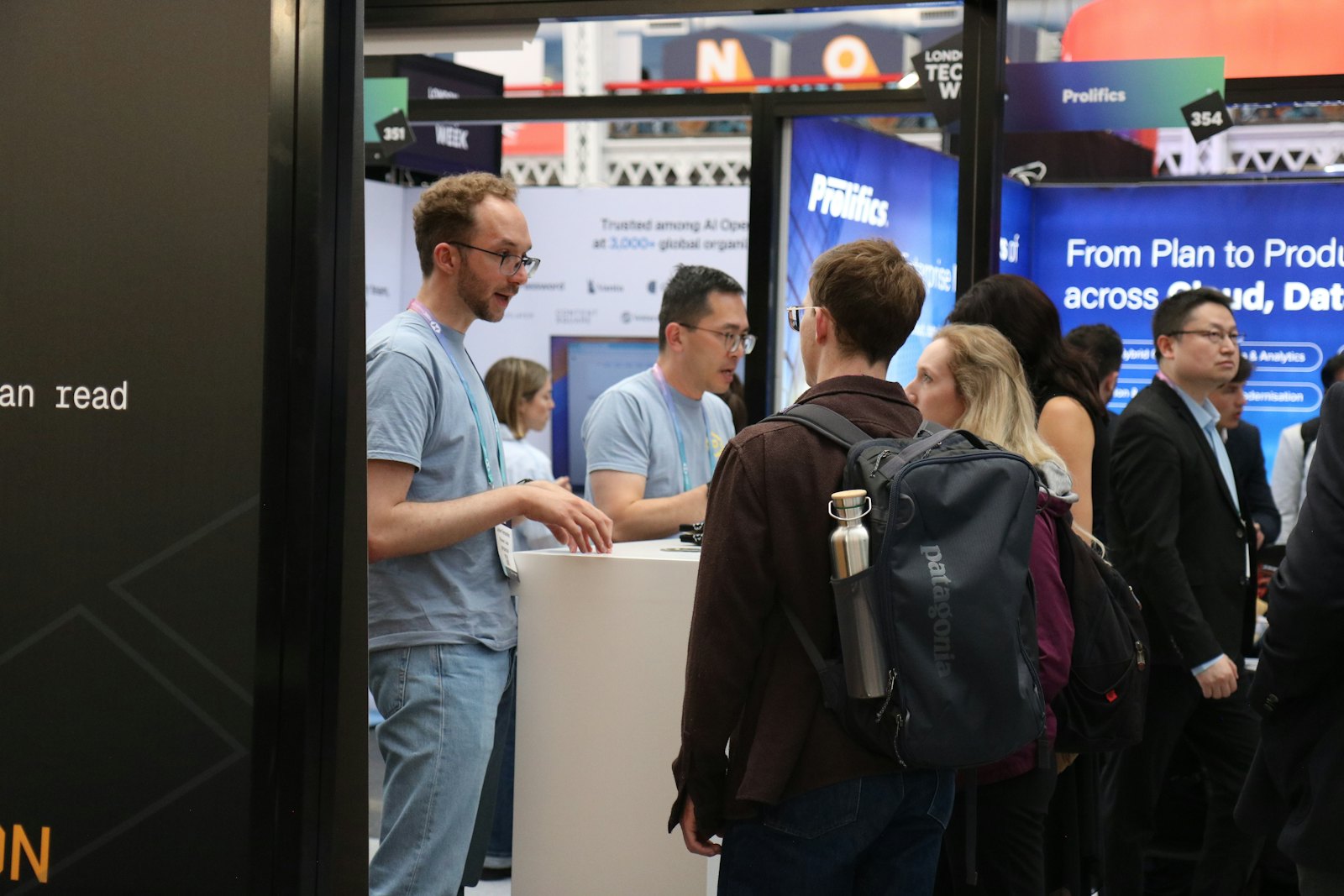
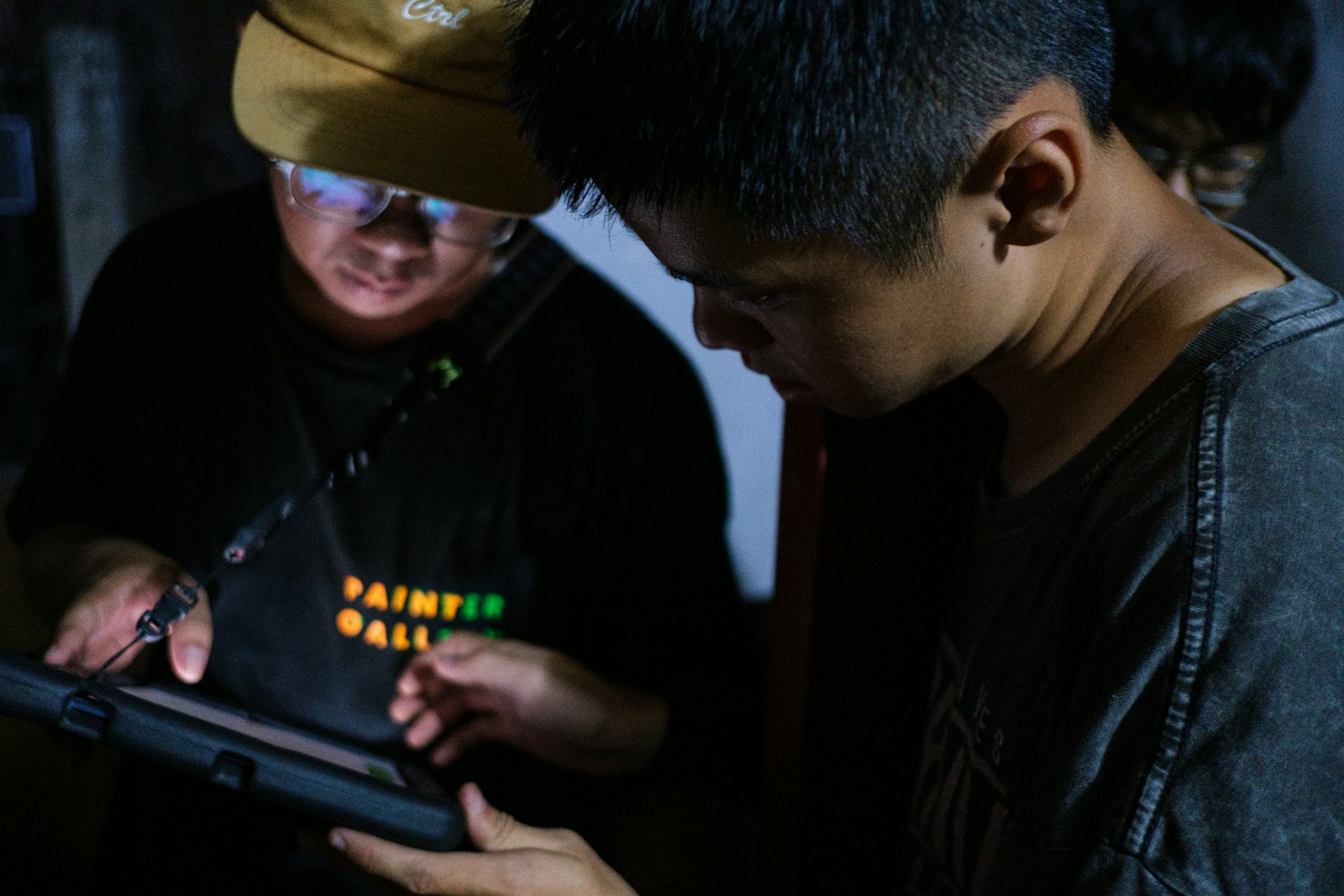
Define "qualified" in one sentence before the event — a job title, a company type, an ownership of your product category. Then have staff tally it on a tablet or a clicker at the end of each conversation. Two taps: stopped / qualified.
A 25 m² stand doing 60 qualified interactions a day is performing. One doing 600 footfall and 12 qualified is not, however good the photos are.
2. Cost per qualified interaction
Total activation cost divided by number 1. This single figure is what makes an activation comparable to anything else in the marketing budget, and it is the number that will be asked for in the second meeting.
Be honest about the denominator. Include the build, the strip-out, the staff, the travel, the consumables and the agency fee. A cost per qualified interaction of €40 is a real number you can defend; €6 calculated on build cost only is a number someone will take apart.
3. Dwell time, sampled
You do not need to track everyone. Pick three fifteen-minute windows a day, have one person time every interaction in that window, and average it.
Dwell is the clearest signal of whether the format is working, and it is the one you can act on during the event. If dwell collapses on day two, something in the staffing or the demo has drifted.
4. Captured intent
Not "leads". Intent is something the visitor did that costs them something: booked a meeting, gave a work email for a specific document, requested a quote, scanned a code to a product page, signed up for a trial.
Count each type separately and resist merging them into one "leads" figure. A booked meeting and a newsletter signup are different outcomes and your sales team already knows it.
5. Downstream conversion, at 30 and 90 days
The only number that makes the case for the next budget. Tag every captured record with the activation name and the date, hand it to sales or CRM, and ask one question at 30 days and again at 90: how many of these progressed?
This requires agreeing the tag before the event with whoever owns the CRM. It takes one conversation and it is the single highest-value thing on this list.
The three to stop quoting
Impressions. A number derived from an event's total attendance multiplied by an assumption. It is not a measurement.
Social reach. Unless the activation's stated goal was reach, and you set a baseline, this is a number that sounds large and means nothing against a build cost.
Samples distributed. Measures how fast you gave things away. A bowl on a counter maximises it and tells you nothing.
What this changes about the design
Once you commit to these five, the design changes — usefully. You need a point in the layout where a conversation naturally ends, so staff can tally. You need a capture mechanism that asks for one thing, not seven. You need enough staff that tallying is possible.
Those are design decisions, and they are cheaper to make at concept stage than to retrofit on site. Measurement is not a reporting activity. It is a constraint on the floor plan.
Related reading: twelve activation ideas for 25 square metres — each format implies a different capture mechanism.